

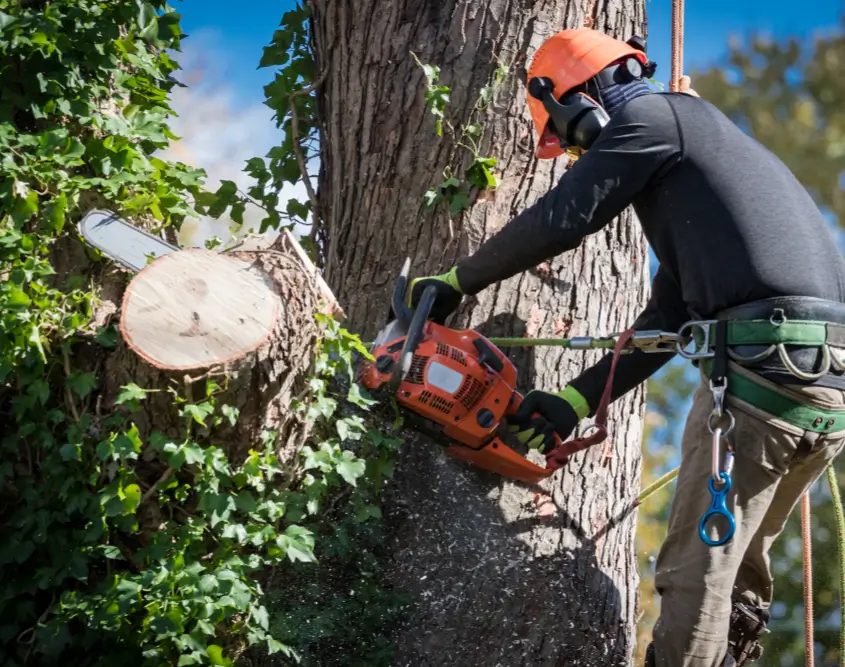
Tree Hazard Assessment: A Crucial Step in Ensuring Safety And Sustainability
Nov 27, 2024
Tree hazard assessments play a pivotal role in identifying and mitigating potential risks posed by trees on both private and public property.
In Australia, where unpredictable weather patterns, urban development pressures, and unique flora exist, regular tree hazard assessments are essential to maintaining safety, protecting property, and preserving local ecosystems.
Why Tree Hazard Assessment is Important in Australia
Australia’s diverse landscapes and climates pose specific risks when it comes to tree safety. The combination of strong storms, bushfire risks, and increasing urban development makes tree hazard assessments more crucial than ever.
Bushfires are a prominent concern in many parts of Australia, and trees, especially those near homes, roads, or public spaces, can contribute to the spread of fire. Hazardous trees with dead branches or weakened trunks may easily be blown over by strong winds, turning them into potential fire hazards. A comprehensive tree hazard assessment can help property owners identify these risks and take proactive steps to reduce them.
Severe storms can also cause trees to fall, posing a significant threat to homes, vehicles, and infrastructure. In urban areas, where trees often grow in close proximity to buildings and power lines, this risk is particularly high. A tree hazard assessment helps assess the stability and health of trees to ensure they don’t pose an imminent danger to people or property.
Urban development also pressures natural landscapes. The clearing of land for construction and infrastructure projects can impact nearby trees, often leading to increased vulnerability. Trees growing in urban environments are exposed to pollutants, soil compaction, and other stressors that affect their stability. Regular assessments help identify weak or unhealthy trees in these settings, preventing hazardous situations before they arise.
Ultimately, tree hazard assessments play a key role in protecting property, people, and local ecosystems. With the right care and attention, we can avoid costly damage and preserve the beauty and health of our landscapes.
Common Signs of Hazardous Trees
Understanding the common signs of hazardous trees is crucial in identifying potential risks before they escalate. Certain indicators, such as dead branches, leaning trunks, and fungal growth, are telltale signs that a tree might pose a danger to its surroundings.
- Dead branches
Dead or decaying branches are a significant hazard, especially during storms. Over time, branches may weaken and eventually fall, causing damage to property, power lines, or even injuring people. If you notice large branches that are dead or brittle, it’s essential to seek professional tree pruning services to remove them before they become a safety risk.
- Leaning trunk
A leaning trunk can also indicate a tree is in danger of falling. While some trees naturally lean due to growth patterns, a sudden or exaggerated lean is cause for concern. This could be the result of root damage, soil erosion, or previous storm damage. A leaning tree may be unstable, and if left unchecked, it could eventually fall, leading to significant property damage.
- Fungal growth
Fungal growth around the base of the tree or along the trunk is another key indicator of an unhealthy tree. Fungi such as mushrooms or conks are often signs of rot, which can weaken the tree’s structure and make it more likely to fall. Many native Australian trees, including eucalyptus and melaleuca species, are vulnerable to fungal diseases such as myrtle rust, which can compromise their health and stability.
- Root damage
Root damage is also a common issue, particularly in areas undergoing construction or soil disturbance. A damaged root system reduces a tree’s ability to anchor itself into the ground, increasing the risk of toppling in high winds or storms. Root rot or exposure from nearby excavation work can further compromise a tree’s stability.
The Role of Certified Arborists

Certified arborists play a vital role in the tree hazard assessment process. These professionals are specially trained to evaluate tree health, structure, and surrounding conditions, offering expert advice and services for tree care. In Australia, tree care regulations and guidelines can vary by state, making it essential to consult an arborist familiar with local standards and laws.
An arborist’s assessment will typically include a thorough inspection of the tree’s overall health, including its canopy, trunk, roots, and surrounding environment. They will evaluate factors such as tree species, signs of disease, stability, and growth patterns. Using this information, the arborist can determine whether a tree poses a risk and recommend the best course of action.
Professional assessments may also involve recommending services such as tree pruning, hedging, or tree lopping to reduce the risk of hazardous branches or limbs. In some cases, if a tree is deemed irreparable or too dangerous to remain, the arborist may advise tree removal.
When to Conduct a Tree Hazard Assessment
It’s important to conduct tree hazard assessments regularly, particularly before seasons that are prone to severe weather. In Australia, the bushfire season and storm season are critical times to assess tree health and stability. Trees that may not pose a risk in calm weather can become dangerous when faced with strong winds, heavy rain, or intense heat.
A pre-bushfire season assessment is particularly important, as trees can become more flammable due to drought conditions. Removing dead branches and ensuring trees are properly pruned can help reduce fire risk. During storm seasons, evaluating the structural integrity of trees near your home or infrastructure is essential to avoid potential damage.
Additionally, any property changes or construction activities should prompt an immediate tree hazard assessment. Excavation work, changes to nearby landscaping, or new developments can all affect tree health and stability. If you notice any visible issues with a tree—such as leaning, fungal growth, or large dead limbs—it’s important to call a certified arborist right away.
Mitigation Strategies for Hazardous Trees
Once a tree hazard assessment has identified potential risks, several mitigation strategies can be employed to manage or eliminate those risks. The appropriate strategy will depend on the specific tree, its location, and the severity of the issue.
- Tree Pruning: Regular pruning can help remove dead or diseased branches, improving the tree’s overall health and stability. For trees that have grown too large or have dangerous limbs, tree pruning can minimise the risk of damage during storms.
- Tree Bracing: For trees with structural issues or leaning trunks, tree bracing may provide additional support. This technique uses cables or rods to help stabilise the tree and prevent it from falling or breaking.
- Tree Removal: In cases where a tree is beyond repair or poses an imminent risk, tree removal may be necessary. While it’s important to follow local guidelines for tree removal, particularly for protected native species, an arborist can help guide you through the legal requirements and ensure the safe removal of hazardous trees.
- Stump Grinding: After tree removal, stump grinding is an effective way to remove the remaining tree stump. This process reduces the risk of pest infestation and can prevent the stump from becoming a tripping hazard.
The Benefits of Proactive Tree Management
Proactive tree management offers a range of benefits, including improved safety, reduced liability, and enhanced aesthetics. Regular hazard assessments and proper tree care help prevent dangerous situations, reducing the likelihood of costly property damage or injury.
Maintaining healthy trees also supports local wildlife habitats, as trees provide essential shelter and food for birds, insects, and other creatures. Additionally, well-maintained trees can increase property value and contribute to the overall beauty of your landscape.
In summary, tree hazard assessments are essential in ensuring the safety of both people and property. By identifying potential risks early and employing the right mitigation strategies, you can protect your property and contribute to the sustainability of Australia’s unique ecosystems.
For a safer, more beautiful landscape, consider scheduling a tree hazard assessment with a certified arborist today. Whether it’s for tree removal, tree pruning, or stump grinding, professional care can help keep your trees healthy and your property secure.
