

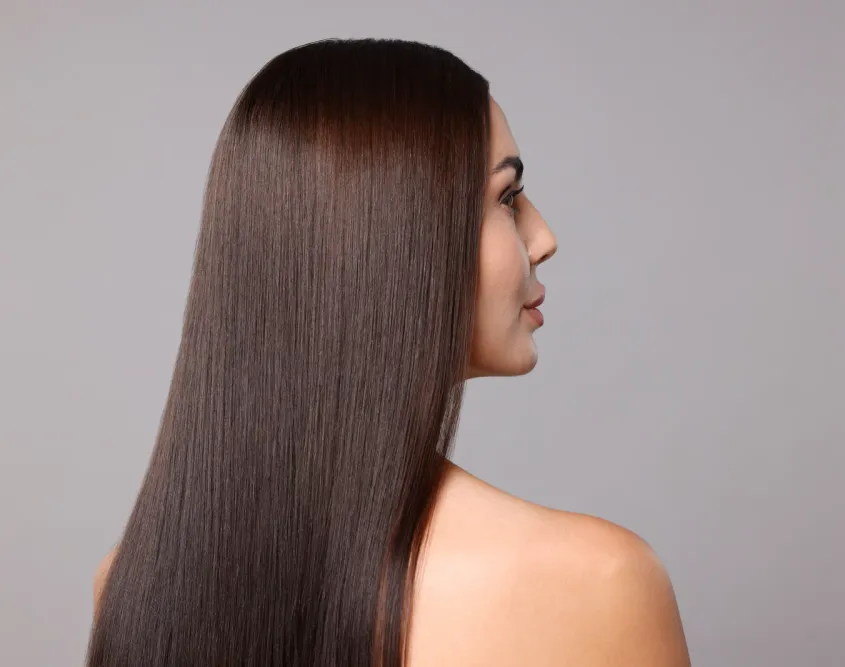
How To Care for Your Hair After A Keratin Treatment
Oct 07, 2026
A keratin treatment can make hair feel smoother and easier to manage, but your home-care routine still matters. Suitable products, gentle handling and carefully planned salon appointments can help maintain the finish.
The most important rule is to follow the instructions for the exact treatment used. Keratin formulas differ, so advice about washing, tying your hair back or booking colour should not be applied universally.
Before leaving the hair salon, ask for clear aftercare guidance. Knowing what your particular service requires makes everyday care simpler and helps you avoid unnecessary restrictions.
Start With Your Hairdresser’s Instructions
Ask your hairdresser to confirm the treatment name and provide written instructions. You should understand:
- When you can first wash your hair.
- Whether tying it back or using clips is initially restricted.
- When you can apply styling products.
- Which shampoo and conditioner are suitable.
- What to do if your hair gets wet unexpectedly.
Do not assume every keratin treatment requires a 72-hour waiting period. Manufacturer information shows that some smoothing services allow shampooing within hours, while other formulas have different requirements.
If instructions are unclear, contact the salon. Avoid copying advice for another treatment or repeatedly straightening your hair to correct accidental wetting without guidance.
Choose Suitable Shampoo and Conditioner
Use products compatible with the treatment and appropriate for your hair and scalp.
Some systems recommend shampoos formulated without particular ingredients, such as sodium chloride. Others specify an accompanying aftercare range. These recommendations relate to the individual formula rather than every product described as a keratin treatment.
Ask whether your existing shampoo, clarifying products, scalp treatments and toning products are suitable. A “natural” label or higher price does not establish compatibility.
Conditioner should also suit your texture and condition. Fine hair may need a different application approach from thick, dry or previously lightened hair.
Bring product names or photographs to your appointment so your hairdresser can give specific advice rather than relying on a general description.
Wash According to Your Hair and Scalp Needs
There is no single washing frequency that suits everyone. Consider scalp oiliness, exercise, styling products and the treatment instructions.
Trying to preserve the result by avoiding washing for as long as possible may leave you uncomfortable. Discuss a realistic routine that keeps your scalp clean while following the recommended aftercare.
Use the advised shampoo and dosing instructions, cleanse gently and rinse thoroughly. Apply conditioner according to its directions and your stylist’s advice.
Dry shampoo may be useful between washes, but it is not a replacement for cleansing. If you develop persistent itching or irritation, seek advice rather than adding more products to disguise the problem.
Handle Wet Hair Gently and Manage Heat
Remove excess water gently instead of rubbing vigorously with a towel. Detangle carefully with a suitable tool, working through knots without pulling.
Ask whether your desired finish is best achieved by air drying, blow-drying or another styling method. Smoothing does not necessarily mean your hair will dry completely straight without styling.
Where heat styling is used, discuss suitable heat protection and settings. Avoid repeatedly passing a straightener over the same section to chase a perfectly uniform finish.
Hair that feels smoother can still be vulnerable to damage from excessive heat. This is particularly relevant if the lengths have already been bleached, coloured or processed.
If styling seems to require more heat than expected, ask the salon to review your technique and the result.
Plan for Swimming and Outdoor Activities
Tell your stylist if swimming is part of your usual routine. Pool water, saltwater and the washing that follows are relevant when planning treatment and aftercare.
Confirm when you can resume swimming after the specific service. Ask about suitable protection, rinsing and cleansing afterwards rather than following a universal waiting period.
A swimming cap may help limit exposure, but do not assume it keeps all water out. Likewise, oils and leave-in products should not be treated as guaranteed protective barriers.
Discuss practical care for outdoor activities, including managing tangles and exposure. Choose measures that fit your routine and the manufacturer’s guidance.
Coordinate Hair Colouring and Other Services
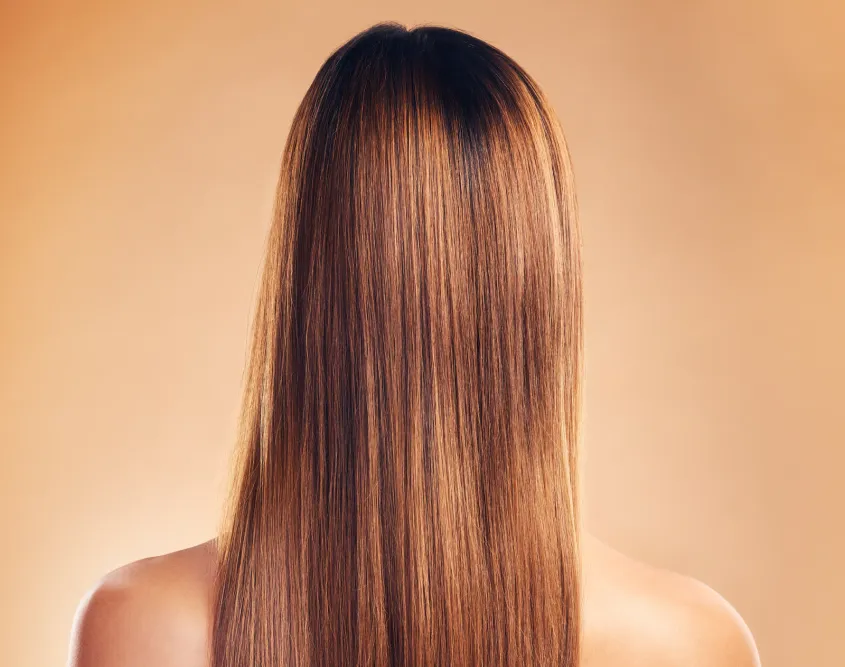
Hair colouring and smoothing should be planned together. The suitable order and timing depend on the keratin formula, colour process and condition of your hair.
A root touch-up, toner and bleaching appointment are different services. Do not assume one waiting interval applies to all of them.
Tell any hairdresser you visit about your recent keratin treatment, including the product name and date. This is especially important if you book colour at another salon.
For blonde or balayage hair, ask an experienced colourist or blonde specialist to assess the treated lengths. Strand testing may be appropriate before further processing.
A coordinated plan helps you understand what can be done, when and with what limitations.
Do You Need Masks, Oils or Extra Treatments?
Additional products should address an identified need. A conditioning mask may be useful for some hair, while a lightweight leave-in may suit another texture.
Ask what each recommendation is intended to do and how often to use it. Some smoothing systems specify particular masks or sprays as part of their aftercare.
Having a keratin treatment does not automatically mean you need to add several protein products. Nor should a smoothing service be treated as permanent repair for every form of existing damage.
Keep the routine manageable. If your hair feels heavy, tangled or unusually brittle, seek advice before layering on more products or booking another hair treatment.
Know What to Expect as the Finish Changes
Your result depends on the formula, starting condition, application and home care. Ask your hairdresser what changes are likely for your hair rather than relying on another client’s experience.
New growth will emerge with its natural texture, which can look different from the treated lengths. Keratin smoothing also does not necessarily remove every wave or curl.
If the finish changes unexpectedly, arrange a review. Describe when you noticed the change and any products, swimming or colour services involved.
Unusual breakage or persistent scalp discomfort also deserves attention. Repeat appointments should follow reassessment rather than an automatic schedule.
Keep Your Aftercare Simple and Specific
Effective aftercare starts with knowing which keratin treatment you received. Follow its washing and product instructions, handle your hair gently and coordinate future colour or smoothing appointments.
Contact your hair salon for personalised advice if anything is unclear. A practical routine suited to your hair and lifestyle is easier to follow consistently.
Explore More Topics: Six Benefits of Salon Services: Why Professional Care Makes All the Difference
