


How To Improve Window Insulation At Home
Sep 26, 2022
Windows can be responsible for as much as 40% of heat loss and as much as 87% of heat gain in the home and can lose as much as 10 times the heat as a comparable area of insulated wall.
This means that large, unprotected windows can significantly affect your home insulation, making it harder to heat in winter and cool in summer. This can dramatically affect your power bills and increase the carbon footprint of your home.
However, this doesn’t mean that you need to sacrifice the natural light and views that come with having large windows. There are plenty of ways to improve the thermal performance of your windows, increasing the comfort of your home and saving you money.
Window Coverings
Window coverings, such as curtains and blinds, are among the simplest and easiest ways to improve your window insulation.
Curtains are a common window treatment that can serve both aesthetic and functional purposes. Curtains can help to insulate windows, keeping heat in during the winter and out during the summer. Curtains act as a barrier between the window and the room, preventing heat transfer. In fact, thick curtains can reduce heat loss by up to 25%. This can help to lower your energy bills and keep your home more comfortable year-round. In addition to insulating windows, curtains can also help to reduce noise levels and provide privacy.
Blockout curtains, in particular, are a great option when it comes to keeping out the heat. These generally feature a triple-weave fabric with an internal black layer and an external acrylic backing. These features help to prevent the heat from entering the room.
Here are a few other helpful tips for using window coverings to improve insulation courtesy of Sustainability Victoria:
- Ensure your window coverings are closely fitted at the side and top to minimise air flow between the window and curtains
- Select closely woven fabrics to minimise air flow through the material
- Install pelmets above the curtain rail to close the gap above the curtains
- Close curtains or blinds when you have the heating on, especially at night
Window Tinting or Insulation Film
While window coverings are a great option for improving window insulation, they do come with obvious drawbacks: namely that they block out the natural light and the views. If you’re looking to improve insulation without sacrificing light and views, you could consider adding tinting or insulation film to your windows.
Insulation film is a type of window film that helps to reduce the amount of heat transfer that occurs through glass. The film is typically made from a thin layer of metal or plastic, and it works by reflecting heat back into the room. When applied to windows, insulation film can help to keep the interior of a building cool in summer and warm in winter. As a result, it can save energy and money on heating and cooling costs. In addition, insulation film is also known for its durability and clarity, making it an attractive option for those who don’t want to sacrifice the views.
Window film and window tint are often confused with one another. However, there are actually quite a few differences between the two. For one, window film is typically much thicker than window tint. This helps to provide better insulation, as it prevents heat from passing through the glass. Window film is also typically clear, while window tint is usually darker. Window film is also typically removed at the end of the season, while window tint is generally permanent. As a result, window film is a great option for those who want to improve the energy efficiency of their home. However, it is important to note that window film does not offer the same level of glare reduction and privacy as window tinting.
Roller Shutters or Blinds
One easy way to improve the insulation of your windows is to install window roller shutters. Quality roller shutters are made from reinforced aluminium with an insulated internal layer and a baked on enamel coating. They provide superior insulating properties, as well as high level home security, sound insulation and privacy.
Shutters and blinds come in a variety of styles and configurations including electric and manual roller shutters, window louvres, plantation shutters and more.
Air Seal the Windows
Air leakage around windows and doors is a major cause of energy loss in homes. In fact, gaps and cracks can account for up to 30% of heat loss in a home. Fortunately, there are a number of ways to air seal windows and doors. One way is to caulk the gaps around the perimeter of the window. Another way is to install weatherstripping around the moving parts of the window, such as the sash. Finally, you can install foam gaskets behind outlet covers and switch plates. By taking these simple steps, you can greatly improve the energy efficiency of your home and save money on your energy bills.
Double Glazing & Window Frames
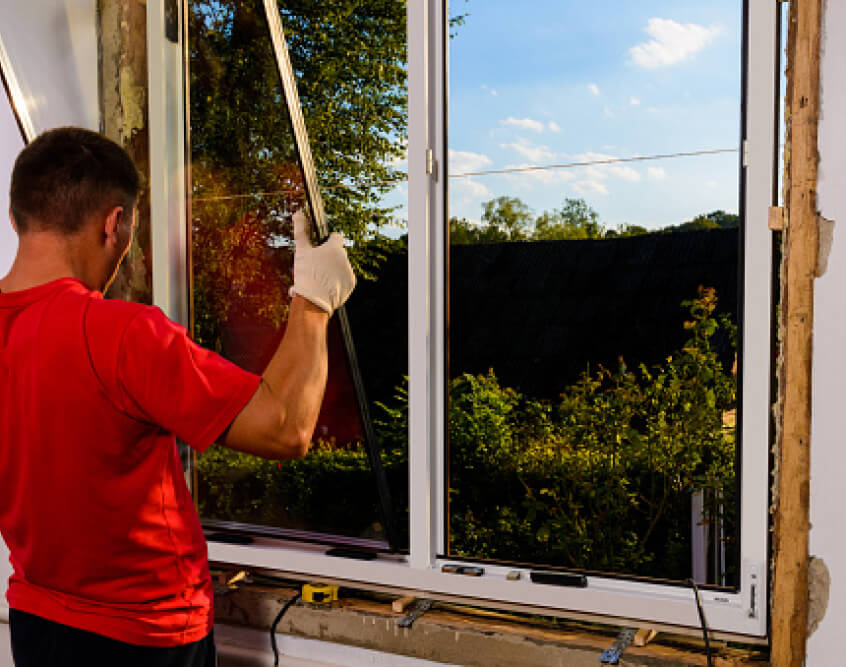
If you’re willing to spend a little more money, double glazing is one of the best ways to enhance your window insulation. Double glazed windows can help to reduce heat loss and gain by up to 30% compared to single-glazed windows. You may even be eligible for some government rebates when upgrading your windows to double glazing.
Double glazing has the additional benefits of helping to improve sound insulation while not affecting the look and operation of your windows.
Your window frames can also have a significant effect on your window insulation. Metal window frames, for example, readily conduct heat and can contribute to a large amount of thermal transfer. Ideally you want to invest in window frames that will minimise the transfer of heat and cold, such as timber, uPVC or combination frames.
Ensuring that your windows are properly insulated can dramatically enhance your comfort at home, while saving you money on your power bills and reducing your carbon footprint.
